Short answer
Press down a few raised tunnels with your foot and mark them. The ones raised again a day or two later are active. Trapping in an active tunnel is what works best: set a mole trap by its instructions after checking your state rules, or hire a pro. Skip sonic stakes and home remedies. Then rake the mounds flat, press the ridges down and reseed. Moles eat worms and grubs, not grass.
Safety first
Mole baits are poison. If you or a pro use any, follow the label exactly and keep kids and pets away from it. Never pour gasoline or other chemicals into the tunnels.
How to deal with mole tunnels in the yard
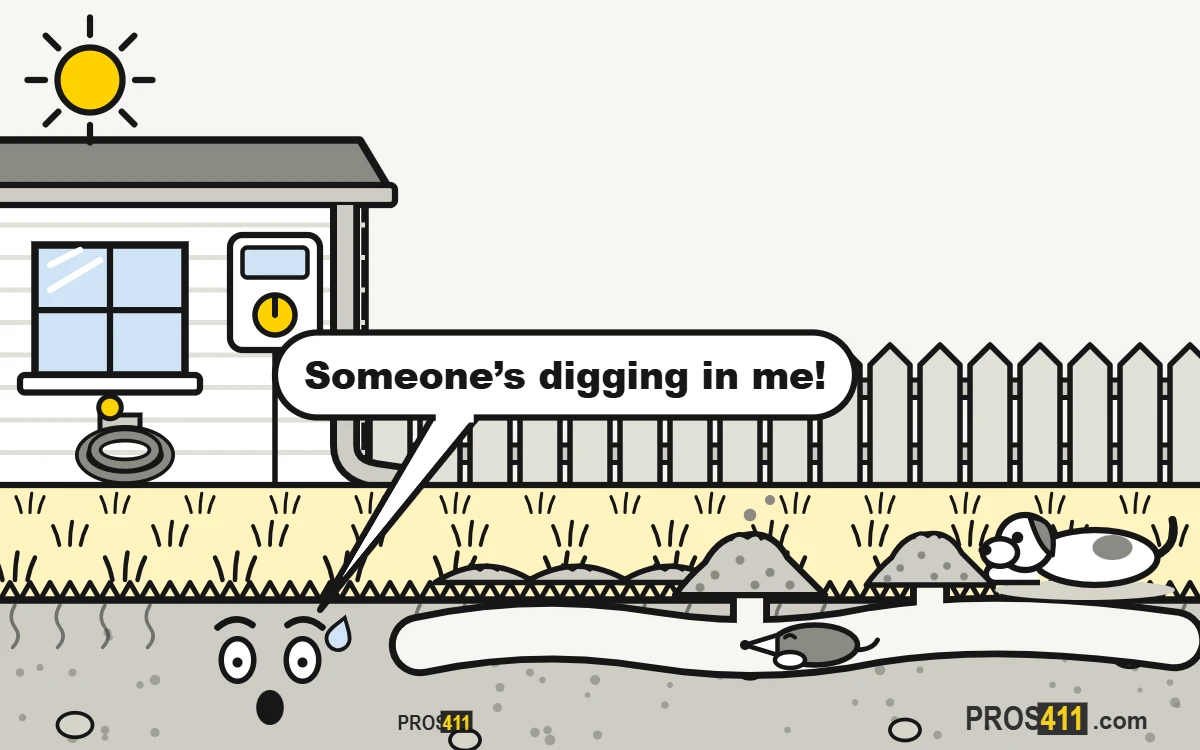
1Raised ridges and mounds of loose soil
A mole digs just under the grass, hunting earthworms and grubs. The ridges feel spongy underfoot, and the round mounds have no open hole.
Read all the steps
- Raised ridges and mounds of loose soil. A mole digs just under the grass, hunting earthworms and grubs. The ridges feel spongy underfoot, and the round mounds have no open hole.
- Step down the ridges to find active ones. Press a few short stretches flat and mark them with a flag. Check a day or two later. The ones raised again are tunnels the mole still uses.
- Trap an active tunnel, or call a pro. Trapping works best. Set the trap in a straight, active run and follow its instructions. Some states limit mole traps, so check the rules first.
- Skip the poison and the gadgets. Baits are poison, and sonic stakes rarely work. If anyone uses bait, follow the label and keep kids and pets far away from it.
- Rake the mounds and reseed. Rake the loose soil flat, press the ridges down with your foot or a lawn roller and water. Sprinkle seed on any bare spots.
- Still not fixed? Call a landscaper Especially if: new tunnels keep showing up after a couple of weeks of trapping.
Landscaping near you
Share your location and we will show the nearest ones with their phone number.
Or pick your city:
Mole, gopher or vole?
- Mole: raised ridges that feel spongy, and round, volcano-shaped mounds with no open hole. Moles eat worms and grubs, not plants.
- Gopher: fan-shaped mounds with a plugged hole off to one side, mostly in the West. Gophers eat roots and can kill plants.
- Vole: narrow runways on the surface of the grass and small open holes, but no mounds. Voles chew grass, roots and bark.
What not to do
- Do not pour gasoline, bleach or car exhaust into the tunnels. It is dangerous and it poisons the soil.
- Do not count on grub killer to drive moles away. They mostly eat earthworms, which stay.
- Do not flood the tunnels with the hose. The mole just moves deeper.
- Do not set a trap your state does not allow. Some states, like Washington and Massachusetts, restrict the traps most used for moles.
When to call a landscaper
- New tunnels keep showing up after a couple of weeks of trapping.
- The mounds are fan-shaped and plants are dying, which points to gophers.
- Your state limits mole traps, or you do not want to handle them.
- Large parts of the lawn are torn up and need repair.
Frequently asked questions
How do I get rid of moles in my yard?
Trapping in an active tunnel is the most reliable way. Find active tunnels by stepping some down and checking which rise again, then set a trap or hire a pro.
Do moles eat grass roots?
No. Moles eat earthworms, grubs and other insects. The damage comes from their digging, which lifts the grass and lets the roots dry out.
How can I tell a mole from a gopher?
Look at the mounds. Mole mounds are round, like small volcanoes, with no hole. Gopher mounds are fan-shaped, with a plugged hole on one side.
Do sonic mole repellers work?
Most university extension experts say they do not work well. Moles may move a short distance and come back.
Will grub control get rid of moles?
Not on its own. Moles eat mostly earthworms, so they stay even after you treat for grubs. Treat for grubs only if you find them.
When are moles most active?
In spring and fall, and after rain, when the soil is moist and the worms are near the surface. In hot, dry weather they dig deeper.